Good to know: Cruise Labuan Bajo is operated by Komodo Luxury, a real award-winning Indonesian liveaboard operator (TripAdvisor Travelers’ Choice 2022–2025, founded 2015, part of Juara Holding Group Limited). We cruise Komodo National Park aboard our own luxury phinisi. Komodo National Park (UNESCO 1991) requires park entry fees/permits — general information, verify current rates. Dive-site conditions and seasons are indicative and vary; Komodo currents are strong and many north sites are advanced. Marine life — mantas, hammerheads — is seasonal and wild, and can never be guaranteed. Prices are indicative ranges, by quote, and vary by vessel, cabins, season, itinerary length and group size. Enquiries and booking via WhatsApp +62 811-3823-875 and sales@komodoluxury.com.
A komodo cruise for beginner divers is a multi-day boat trip in Komodo National Park that focuses on easy, shallow dive sites with gentle currents and clear briefings. It is designed so new divers can safely enjoy Komodo’s reefs, dragons and manta seasons without being pushed into advanced, high‑current sites.
Why Komodo Can Be Both Perfect—and Challenging—for New Divers
Komodo National Park is one of Indonesia’s most rewarding marine destinations, but it is also current‑heavy and many famous sites are for advanced divers only. As a PADI Dive Guide based in Labuan Bajo, my job on every cruise is to match the right sites to the experience on board.
Komodo National Park:
• Established: 1980
• UNESCO World Heritage Site: 1991
• Access port: Labuan Bajo, Flores (daily flights from Bali and major Indonesian hubs)
On a beginner diving Komodo cruise we stay conservative: protected bays, leeward reefs, sandy slopes. We keep dive times flexible, plan for slack tides as much as possible, and build skills step by step.
Key realities I always share with guests:
- Currents can be strong year‑round, particularly at central and northern channels.
- Many headline sites (Castle Rock, Crystal Rock, Shotgun) are genuinely advanced.
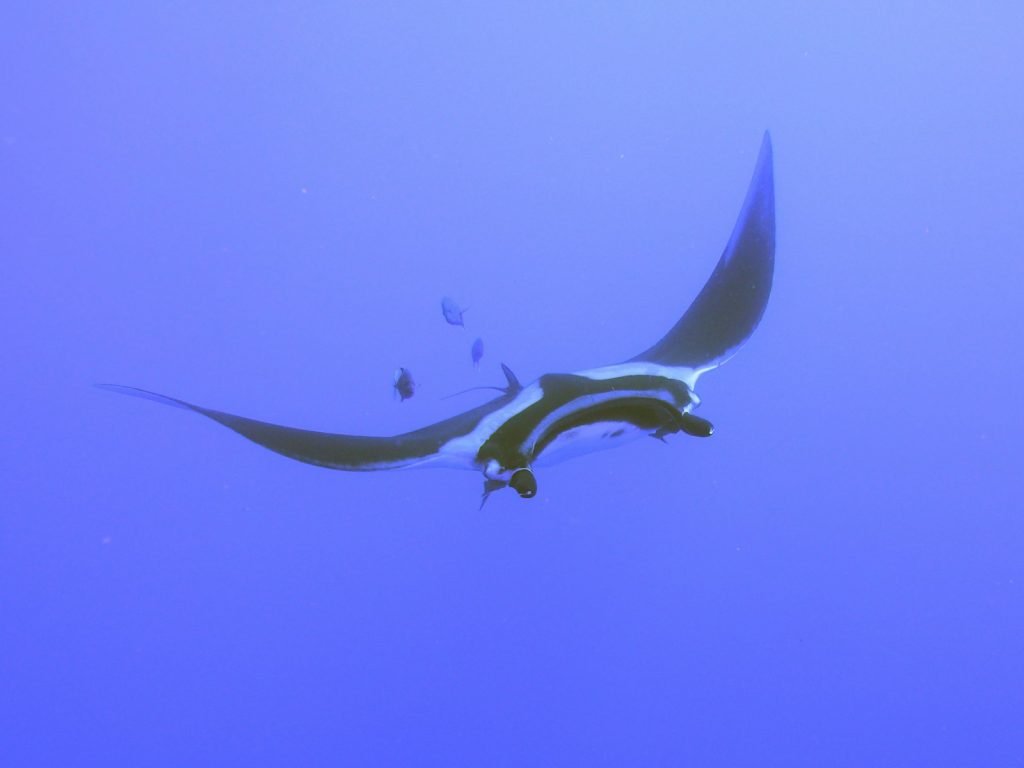
- Mantas, sharks and occasional hammerheads are wild animals: sightings are seasonal and never guaranteed.
- Good planning and a capable phinisi make Komodo accessible and enjoyable for new divers.
With Komodo Luxury, all our cruises sail from Labuan Bajo on our own phinisi fleet (Komodo Signature and Komodo Prestige), operated under the Juara Holding Group Limited umbrella. Since 2015 we’ve specialised in overnight and multi‑day Komodo itineraries, and we’ve kept a consistent record of TripAdvisor Travelers’ Choice Awards from 2022–2025 thanks to that focus on this one region.
What “Beginner Friendly” Means on a Komodo Cruise
Different boats have different standards, so let me define what we at Cruise Labuan Bajo usually consider appropriate for new divers on a Komodo Luxury phinisi.
- Certification level
- Open Water Diver (or equivalent) with recent dives; try-divers possible on private or part-private basis.
- Typical depth range
- 6–18 m recreational depth for beginners; I’ll keep you well below agency limits and away from down‑currents.
- Dive group size
- Small guided groups, usually split by experience level; private guide possible by request.
- Entry & exit
- Giant stride or seated back‑roll from tender; ladder or platform re‑entry with help from crew.
- Conditions we target
- Slack or mild currents, leeward sides of islands, good surface shelter, minimal surge.
- What we avoid for beginners
- Up‑/down‑currents, exposed pinnacles, long drifts, negative entries, strong washing‑machine channels.
- Seasonal planning
- We adjust site choices between the “north clear” and “south plankton” seasons; wildlife remains unpredictable.
If you’re a new diver with fewer than 10 logged dives, I generally suggest:
- At least a 2D/1N or 3D/2N cruise to give time for a check dive and progressive sites.
- Consider one refresher session or an easy first dive near Labuan Bajo.
- Be honest about comfort level with buoyancy and descents; that shapes the plan more than your certification card.
Best Komodo Itineraries for New Divers
Komodo Luxury offers several overnight and multi‑day programs through Cruise Labuan Bajo. For new divers Komodo cruise planning is about balancing underwater time with surface highlights: Komodo dragons, beaches, short hikes and sunset anchorages.
Below is an example of how we might structure beginner‑friendly itineraries. Exact routes vary with season, park regulations, and your private charter vs. shared departure.
| Duration | Typical Focus | Example Stops (Indicative) | Approx. Dives for Beginners | Who It Suits |
|---|---|---|---|---|
| 1 Day Cruise | Intro & Snorkel | Padar viewpoint, Pink Beach, one easy reef/snorkel stop | 0–1 check/intro dive | First‑timers, try‑divers, limited time |
| 2D / 1N | Starter Dive Trip | Kelor or Sebayur area, Komodo dragons (Loh Liang / Rinca sector depending on park), Pink Beach | 2–4 guided dives | Newly certified divers, families |
| 3D / 2N | Balanced Dive & Explore | Kelor/Sebayur, central Komodo bays, manta area (when in season), Padar sunrise | 5–8 guided dives | Beginner divers wanting variety, couples, small groups |
| 4D / 3N+ | Slow‑Paced Dive Focus | North or south arcs depending on season, plus main highlights | 8–12 guided dives | Beginners building confidence, mixed‑experience groups |
Indicative price ranges (last verified June 2026):
• Shared cabin overnight cruises usually start from mid‑range per person per night and go up with season, cabin type and length.
• Private charters on Komodo Signature or Komodo Prestige vary widely depending on guest count, nights, and extras.
For a tailored quote, the fastest way is WhatsApp: +62 811-3823-875, or email sales@komodoluxury.com, or simply plan your trip with our team.
Beginner-Friendly Komodo Dive Sites I Often Use
We never promise a fixed list, because real‑time currents, tides and park rules decide a lot. But these are types of sites—and specific examples—where I frequently take new divers on a new divers Komodo cruise.
Again: depths and conditions below are indicative, not guaranteed. I adjust the dive profile in‑water based on what I see.
| Area | Example Site Type | Indicative Depth Range for Beginners | Typical Level | Notes |
|---|---|---|---|---|
| Near Labuan Bajo | Protected reef / slope (e.g. Kelor, Bidadari area) | 6–15 m | Beginner | Good for check dives, easy navigation, sandy patches for skills. |
| Central Komodo | Gentle fringing reef in a bay | 8–18 m | Beginner–Intermediate | Coral gardens, usually manageable currents at the right tide. |
| Manta Area (seasonal) | Cleaning station / sandy channel shoulder | 8–16 m | Beginner–Intermediate (with close supervision) | Manta rays are seasonal & wild. We use the calmer side of the site. |
| Southern Bays (seasonal) | Sandy slopes & colorful invertebrate life | 10–18 m | Beginner | Cooler water, more plankton; visibility can be lower but life is rich. |
| North Komodo | Leeward reefs off current‑heavy channels | 10–18 m | Intermediate | We only use protected sections; main headlands are advanced only. |
Advanced sites you’ll often see in blogs—like Castle Rock, Crystal Rock, Batu Bolong in full current, or Shotgun at maximum flow—are not where I start with new divers. They can be included later in a trip for guests who show solid control, but only if conditions line up.
Seasonality: When to Take a Komodo Cruise for Beginner Divers
Komodo is diveable year‑round, but each season has trade‑offs, especially for beginners.
Dry Season (roughly April–November)
- North and central areas: generally clearer water, warm temperatures.
- South: can be cooler and plankton‑rich, particularly mid‑year.
- Sea state: usually calmer, which is helpful for new divers on tenders and ladders.
- Mantas: often encountered around certain central and southern sites; exact months vary year to year.
Wet Season (roughly December–March)
- More rain, occasional squalls; we adapt daily routes accordingly.
- Some areas can have reduced visibility but still great macro and reef life.
- Fewer boats overall, which some guests enjoy.
- Some operators limit their schedules during the peak of the rains; Komodo Luxury continues operations but we may adjust departures.
Hammerheads: Occasional reports come from deeper, more advanced sites and specific seasonal windows. These dives are not appropriate for beginners, and we never market hammerheads as a standard part of a first‑time Komodo experience.
If your priority is calm seas and the easiest possible surface conditions for your first ocean dives, I generally recommend the more stable part of the dry season. For exact timing around your dates, send us a message on WhatsApp and we’ll be honest about current patterns we’re seeing that month.
What a Day Looks Like on a Beginner Diving Komodo Cruise
On Komodo Signature and Komodo Prestige we run to a comfortable but seaworthy rhythm. A typical dive‑focused day for beginners might look like this:
Early Morning
- Wake‑up with coffee/tea and light snacks on deck as we move to the first site.
- Briefing: I go through the dive map, entry/exit, max depth, time, hand signals, separation procedure, and current strategy.
First Dive (Check & Warm‑Up)
- Shallow, easy reef or sandy slope.
- Emphasis on: buoyancy check, slow descent, equalisation, and breathing rhythm.
- We stay conservative on depth and call the dive early if anyone looks uncomfortable.
Surface Interval
- Full breakfast served in the lounge or outdoor dining area.
- Logbook notes, questions, and planning for the next dive.
- Time to relax on sun deck or in AC cabins.
Second Dive
- Slightly more structure—following a reef contour, maybe a light drift if conditions allow.
- Focus on buoyancy around coral, maintaining buddy distance, and situational awareness.
Afternoon: Land Excursion & Optional Third Dive
Depending on the itinerary day:
- Komodo dragons at an authorised ranger station in Komodo National Park (e.g., Komodo or Rinca sector—subject to park routing).
- Padar Island trek for the classic viewpoint (short but steep; done in cooler parts of the day).
- Optional third dive or snorkel at a protected site.
Evening
- Sunset from the top deck, sometimes with flying foxes crossing the sky depending on anchorage choice.
- Dinner served as the boat swings at anchor.
- Briefing for the next day, then rest. On beginner‑oriented trips we usually avoid night dives unless the group is ready and conditions are gentle.
Throughout the day, the crew handles the gear: filling tanks, setting up kits, and loading tenders. Your job is simply to check your equipment, listen to the briefing, and enjoy.
Mid‑trip adjustments are normal: if I see someone struggling or excelling, we shift the plan. That’s easier on a private charter, but even on scheduled cruises we try to separate groups by comfort level.
If you’d like to see which dates and boats currently carry the most beginner‑friendly plans, reach out via WhatsApp at +62 811-3823-875 or plan your trip and mention your dive experience in the form.
Onboard Experience: Phinisi Comfort for New Divers
Many new divers worry as much about life on board as they do about the diving. On Komodo Luxury’s phinisi fleet, comfort is very much part of the plan.
Key features across Komodo Signature and Komodo Prestige (exact details vary by boat and cabin type):
- Air‑conditioned cabins: En‑suite or shared bathroom configurations depending on category.
- Common spaces: Indoor lounge with AC, shaded outdoor dining, sun decks with loungers.
- Food: Fresh Indonesian and Western dishes, snacks between dives, dietary needs handled with advance notice.
- Dive deck: Dedicated gear storage, rinse tanks for equipment and cameras, tender loading area.
- Safety: Life jackets, life rafts, firefighting equipment, first aid and oxygen on board; crew trained for emergency response.
Because we own and operate our vessels through Komodo Luxury (rather than brokering third‑party boats), we keep tight control on maintenance and procedures. We’ve been refining those since 2015 across our sister platforms like charterlabuanbajo.com, liveaboardlabuanbajo.com, labuanbajodivecruise.com, and privatekomodocruise.com.
Safety & Park Rules for New Divers
Komodo is not the place to cut corners. For new divers, a few points are non‑negotiable on our cruises:
Dive Safety Practices
- Mandatory briefings before every dive.
- Max depth limits appropriate to your certification and real skills.
- Conservative gas management with clear turn‑pressure rules.
- No‑decompression dives only, with safety stops as standard.
- No solo dives, no unaccompanied night dives.
If you haven’t dived in a year or more, I strongly recommend a refresher pool session at home before you fly, or at least let us schedule a very gentle first dive to rebuild comfort.
Komodo National Park Fees & Permits
Entering and diving in Komodo National Park requires park tickets and (for divers) additional marine activity fees. These structures and amounts are set by the authorities and have changed several times in recent years.
- Expect separate fees for: park entry, diving/snorkelling activities, and sometimes ranger‑guided treks to see Komodo dragons.
- Payment: Usually handled through your cruise operator and either included in your package or listed clearly as an extra.
- Variability: Because regulations and tariffs can change, we always recommend confirming the latest figures with our sales team just before your trip.
We keep our information updated as best we can, but official policy can shift faster than printed materials.
Environmental Conduct
- No touching or standing on coral; excellent buoyancy is more important than any photo.
- No feeding fish or wildlife.
- Maintain distances from mantas, turtles, and dragons; follow guide and ranger instructions at all times.
- Use reef‑safe sunscreen or cover up with clothing to reduce chemical load.
Part of my job as a guide is to protect you, and part is to protect Komodo. If I call a dive early or change a site because conditions are not right, it’s always for safety.
Who Should—and Shouldn’t—Book a Beginner Komodo Cruise
A Komodo cruise for beginner divers is a great idea if you:
- Are Open Water certified or doing your first few post‑course dives.
- Are comfortable swimming in open water with a mask, fins and snorkel.
- Want a mix of underwater time and topside highlights in Komodo National Park.
- Are happy to follow conservative depth limits and my calls about conditions.
You may want to build more experience elsewhere first if you:
- Are not comfortable in the ocean without holding on to someone.
- Have significant medical or mobility issues that make ladders and small boats difficult (talk to us; some cases can be accommodated on private charter with extra planning).
- Expect guaranteed mantas or sharks on every dive—no operator can promise that honestly.
- Want deep or heavy‑current adrenaline dives straight away; those are better once you’re at least Advanced Open Water with solid experience.
If you’re travelling as a mixed group (some divers, some snorkellers, some non‑divers), a private charter with Komodo Luxury is often best: I can put confident divers on slightly more advanced sections while still keeping beginners and snorkellers on the relaxed side of the reef.
To start customising that plan, you can plan your trip with our team or message us directly on WhatsApp at +62 811-3823-875.
FAQs: Komodo Cruise for Beginner Divers
Do I need to be certified to join a Komodo cruise with diving?
You don’t have to be certified to join the cruise itself, but certification is strongly recommended if you want to dive more than one or two very shallow introductory dives. Non‑certified guests can snorkel almost all sites and, on some departures or private charters, join a closely supervised intro dive in easy conditions. For a full dive program across several days, an Open Water certification (or equivalent) is the baseline.
Is Komodo too difficult for new divers?
Komodo has some very challenging sites, but it also has many sheltered reefs and slopes that are perfectly manageable for cautious beginners with good guidance. The key is itinerary design: we avoid the high‑energy channels and pinnacles for new divers, choose slack tides as much as possible, keep groups small, and stay conservative on depth and time. If you expect to be thrown into strong currents from day one, Komodo would be too much; on a beginner‑focused itinerary with a careful guide, it can be a great progression.
Will I see manta rays on a beginner diving Komodo cruise?
Manta rays are often seen in Komodo, especially at certain cleaning stations and channels in the right season, but sightings are never guaranteed. They are wild animals and their presence depends on currents, plankton, and broader conditions. For beginners, we usually stay on the calmer side of manta sites and focus on enjoying whatever the ocean offers that day—sometimes that’s mantas, other days it’s turtles, reef fish and macro life.
How many dives per day are safe for a new diver in Komodo?
For most beginners, two to three shallow dives per day are plenty, especially when combined with land excursions and surface time. On our itineraries I usually start with two dives on day one and then offer an optional third dive only if guests are comfortable, rested and conditions are suitable. We avoid pushing to the maximum number of dives just for the sake of it; quality and safety are more important than quantity.
How much does a Komodo cruise with diving cost?
Pricing depends on boat, season, length of cruise, and whether you join a scheduled departure or a private charter. As a broad indication (last verified June 2026), shared‑cabin overnight dive cruises typically start in the mid‑range per person per night, while private charters of Komodo Signature or Komodo Prestige vary significantly with group size and customisation. For an accurate quote, contact sales@komodoluxury.com, WhatsApp +62 811-3823-875, or plan your trip with your preferred travel dates and group details.